

Used Ambulances For Sale
All
Auction
Buy Now
Types: Ambulance
26 results
Closing: Thu, 29 Oct
Mont-Saint-Hilaire, Canada
Closing: Mon, 7 Dec
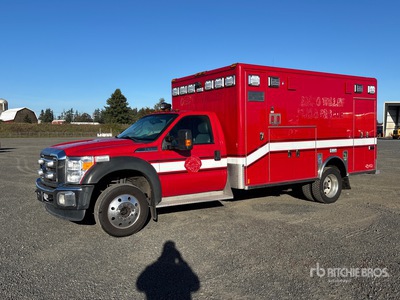
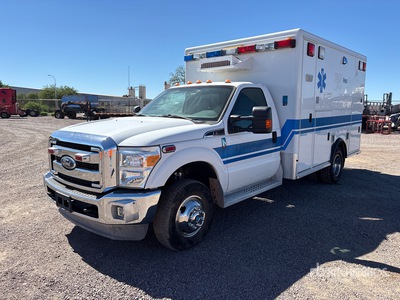
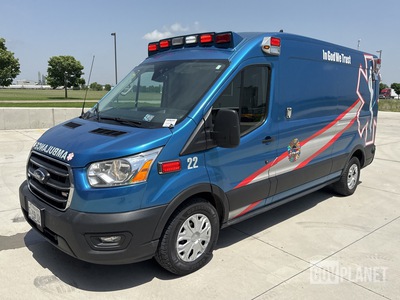
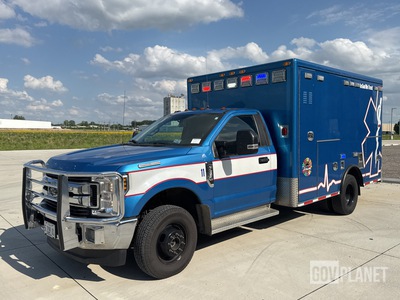


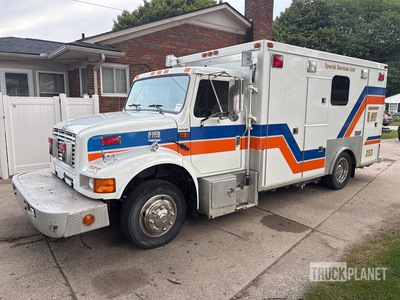
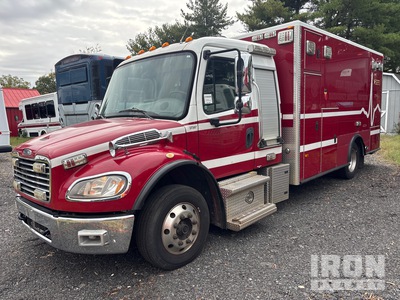
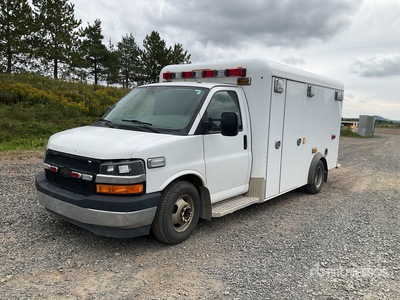
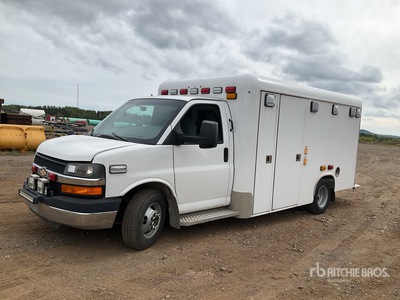
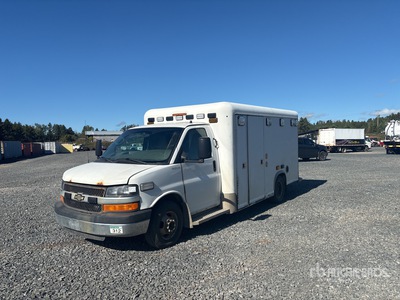
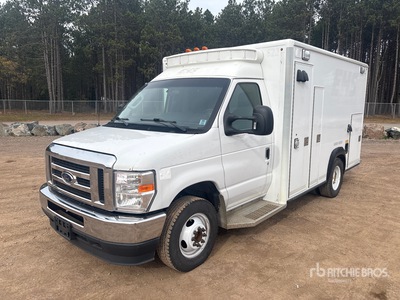
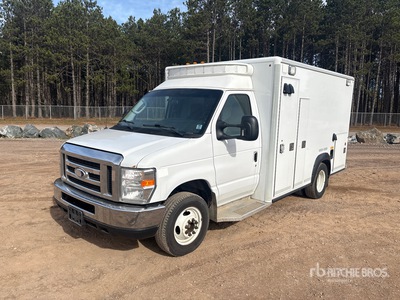
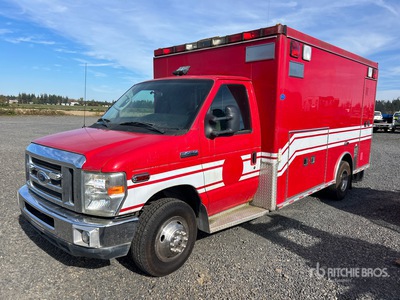
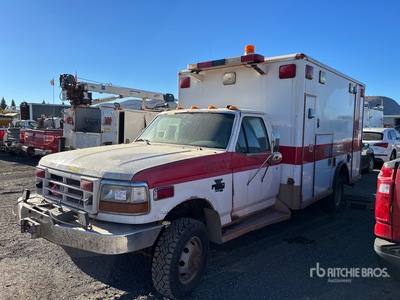
Used ambulances for sale at Ritchie Bros.
Ambulances are purpose-built emergency vehicles that combine a heavy-duty chassis with a fully outfitted patient compartment — oxygen systems, cot mounts, climate control, inverter-driven 120V power, scene lighting, and storage for medical supplies. When agencies retire units from front-line service, those trucks often have plenty of life left for second-line duty, non-emergency medical transport, event standby, search and rescue, mobile clinics, film and production support, or full conversion into campers and overland rigs. You'll find decommissioned ambulances from municipal fleets, hospital systems, and private EMS providers listed regularly across rbauction.com and IronPlanet.com.
Types of ambulances you'll find in our listings
Ambulances are built to three main configurations, and which one suits you depends on payload, terrain, and how much patient compartment space you need.
- Type I: A modular box mounted on a heavy-duty pickup chassis — typically Ford F-350/F-450/F-550, Ram 4500/5500, or Chevrolet/GMC 3500/4500. Strong frame, good for rough roads, and the cab and box are separate units, which simplifies repairs.
- Type II: A van-style ambulance, almost always built on a Ford E-Series, Mercedes Sprinter, or Ram ProMaster chassis. Lower profile, better fuel economy, and easier to drive — popular for non-emergency transport and conversions.
- Type III: A modular box on a cutaway van chassis (Ford E-450, Chevy/GMC G4500). The cab and patient compartment are connected with a walk-through pass — the most common configuration in modern EMS fleets.
- 4WD and medium-duty ambulances: Built on Ford F-550 4x4, International, or Freightliner M2 chassis for rural, mountain, and off-road service. These hold value well and are in steady demand from search-and-rescue teams and remote operators.
Why buy a used ambulance?
A new Type I or Type III ambulance can run well into six figures once it's fully equipped. Decommissioned units from agency fleets typically sell for a fraction of that — and most were maintained on aggressive preventive maintenance schedules with documented service records. Engines like the Ford 6.7L Power Stroke, Cummins 6.7L, and Duramax 6.6L are built for the long haul, and many retired ambulances come off the line with the patient module, inverter, oxygen plumbing, and emergency lighting still intact. That's a big head start whether you're a private transport operator filling out a fleet or someone building a mobile workshop, expedition vehicle, or event response unit.
Top brands and modules to look for
The chassis is one piece — the module builder is the other. Reputable module manufacturers include:
- Braun Industries: Known for the Chief XL and Express models, Braun modules are well-built with strong cabinetry and electrical systems.
- Horton Emergency Vehicles: Horton 553, 603, and 623 series modules are common in larger municipal fleets and known for durability.
- Wheeled Coach (REV Group): One of the most-produced module builders in North America — you'll see these regularly on Ford and Chevrolet chassis.
- Road Rescue, McCoy Miller, AEV, and Demers: All show up in agency surplus listings, with solid build quality and parts availability.
What to look for when buying a used ambulance
- Engine hours vs. mileage: Ambulances idle constantly on scene. A truck with 120,000 miles may have 15,000+ engine hours. Always check both — high idle hours mean more wear on injectors, turbos, and EGR systems than mileage alone suggests.
- Emissions system condition: Diesel ambulances with the 6.7L Power Stroke or Cummins use DPF and SCR systems that don't love long idle cycles. Look for regen history, check for DEF system faults, and ask whether the DPF has been replaced.
- Module-to-chassis mounting: On Type I and Type III units, inspect the body mounts, sub-frame, and the seal between cab and module. Cracking, separation, or water intrusion at the boot is a common issue on high-cycle trucks.
- 120V electrical and inverter system: The shoreline, inverter/charger (Vanner, Xantrex, or Kussmaul are common), and battery bank do a lot of work. Test shore power, inverter output, and confirm all interior outlets and module lights function.
- Oxygen and medical gas plumbing: Even if you're stripping the back for a conversion, leaking O2 lines are a safety issue. Confirm tanks have been removed or properly purged before resale.
- Suspension and brakes: Modules are heavy. Check rear springs, air bag helpers if equipped, and brake rotor thickness — ambulances live on the brakes during emergency response.
Buy used ambulances at Ritchie Bros.
Browse our current inventory of used ambulances for sale from municipal, hospital, and private fleet sellers across North America. Listings include detailed inspection reports, photos of the chassis and module interior, engine and mileage data, and information on what equipment remains installed. Whether you're looking for a 4WD Type I for backcountry response, a Type II Sprinter for non-emergency transport, or a decommissioned Type III to convert, you'll find options across the major chassis and module brands in our auctions. If you also need support vehicles, check our listings for emergency vehicles, cargo vans, and cab and chassis trucks.